Here’s a high-level summary of key points as regards Social Security for people going through a divorce.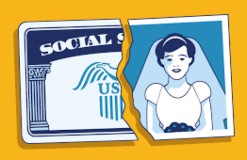
For everyone born in 1960 or later, the Social Security “Full Retirement Age” (that used to be 65) is now 67.
You can defer receiving Social Security for up to 3 years (to age 70). Doing so will increase your monthly benefit amount by 8% for each year of deferral.
You can start taking Social Security as early as age 62 but you’ll receive less than your “Full Retirement Age” monthly entitlement for the rest of your life if you do so, as follows:
30% less at 62;
25% less at 63;
20% less at 64:
13.3% less at 65;
6.7% less at 66.
If you have not yet reached age 67, you are still working, and you want to collect Social Security, this may cause your Social Security benefit amount to be reduced.
Social Security income is subject to federal taxation. However, California does not tax Social Security income.
Divorce Considerations – Social Security
If you are going to receive Social Security not from your own work record but from the work record of your former spouse, you need to have been married for 10 consecutive years or more. Your former spouse needs to be at least 62 unless they are disabled.
You will need to wait 2 years after the divorce is final to apply for Social Security spousal benefits, unless your former spouse has already applied for their own Social Security benefits.
The most you will receive per month is 50% of your spouse’s monthly Full Retirement Age entitlement. This assumes you wait until you are 67. If you start taking Social Security earlier, you will receive the following percentages for the rest of your life:
32.5% at 62;
35% at 63;
37.5% at 64;
41.7% at 65;
45.8% at 66.
If you receive Social Security based on your former spouse’s work record, this will not reduce the amount of Social Security your former spouse is entitled to receive.
If your former spouse remarries, this will not affect your Social Security benefits.
If you remarry, you forfeit the ability to claim Social Security spousal benefits based on the work record of your former spouse. However, if and when your new marriage ends in divorce or death, you may become re-entitled to Social Security spousal benefits based on your first marriage.
Related Posts and Pages: